The Best Fluffy Pancakes recipe you will fall in love with. Full of tips and tricks to help you make the best pancakes.


Are you tired of salads that leave you hungry and unsatisfied? Imagine enjoying a delicious meal that helps you shed pounds without feeling deprived.
This low calorie salad recipe for weight loss is designed just for you. It’s packed with fresh, tasty ingredients that fuel your body and keep cravings at bay. Keep reading to discover how easy it is to make a salad that supports your goals and satisfies your taste buds every time.
Benefits Of Low Calorie Salads
Low calorie salads offer many benefits for those who want to eat healthy and lose weight. They combine fresh vegetables, lean proteins, and light dressings. This mix helps nourish the body without adding too many calories. Eating these salads regularly supports a balanced diet and overall wellness.
Supports Weight Loss Goals
Low calorie salads help control calorie intake easily. They fill the plate with nutritious, low-calorie foods. This helps reduce hunger without overeating. The fiber in vegetables slows digestion, keeping you full longer. Eating these salads can lower daily calorie consumption. This supports steady and healthy weight loss.
Boosts Nutrient Intake
Salads are rich in vitamins, minerals, and antioxidants. Vegetables like spinach, tomatoes, and carrots add important nutrients. These nutrients improve immune function and skin health. Low calorie salads include a variety of colors and textures. This variety ensures a wide range of health benefits.
Promotes Satiety And Energy
The fiber in salads helps you feel full and satisfied. Proteins like chicken or beans provide lasting energy. These salads avoid heavy, greasy foods that cause tiredness. Eating them keeps energy levels steady throughout the day. This helps maintain focus and supports daily activities.

Credit: www.amazon.com
Key Ingredients For Low Calorie Salads
Choosing the right ingredients is key for making low calorie salads tasty and filling. Each ingredient adds flavor, texture, and nutrients without extra calories. Combining fresh vegetables, lean proteins, healthy fats, and smart add-ins helps create balanced meals that support weight loss.
Fresh Vegetables And Greens
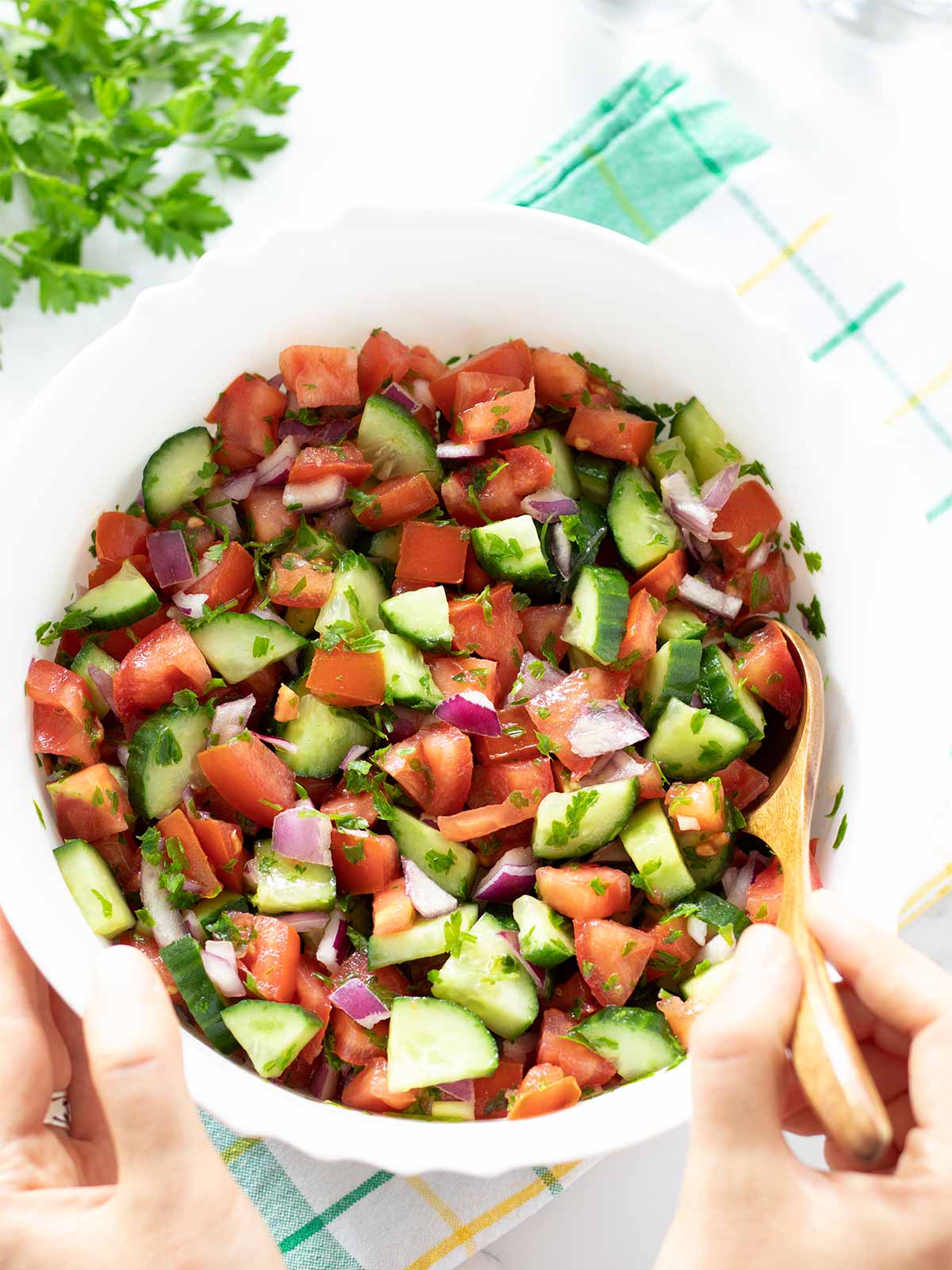
Fresh vegetables and greens form the base of any low calorie salad. Leafy greens like spinach, kale, and romaine provide fiber and vitamins. Crisp vegetables such as cucumbers, bell peppers, and carrots add crunch and color. These ingredients keep salads light yet satisfying.
Lean Proteins
Lean proteins help keep you full longer and support muscle health. Options include grilled chicken breast, turkey, tofu, and boiled eggs. Adding beans or lentils is another good choice. These proteins add substance without adding many calories.
Healthy Fats And Dressings
Healthy fats improve taste and aid nutrient absorption. Use small amounts of olive oil, avocado, or nuts. Choose dressings made from olive oil, lemon juice, or vinegar. Avoid creamy dressings with hidden sugars and fats to keep calories low.
Low-calorie Add-ins
Low-calorie add-ins enhance flavor and texture without many calories. Fresh herbs, like parsley or cilantro, add freshness. Spices such as black pepper or paprika boost taste. Ingredients like lemon zest or a splash of balsamic vinegar provide a bright, tangy touch.
Simple Techniques For Flavorful Salads
Creating a tasty low calorie salad does not need to be hard. Simple tricks can make salads delicious and exciting. These ideas help keep salads fresh and full of flavor without extra calories.
Focus on textures, herbs, spices, and light dressings. These elements bring life to any salad. Enjoy salads that satisfy your taste buds and support weight loss.
Balancing Textures
Combine crunchy and soft ingredients for a pleasant bite. Add nuts, seeds, or crisp vegetables for crunch. Use soft fruits, beans, or avocado to contrast textures. This balance keeps every forkful interesting.
Using Herbs And Spices
Fresh herbs add bright, natural flavors without calories. Try parsley, cilantro, basil, or mint. Spices like cumin, paprika, or black pepper add warmth. These boost taste and help create unique salad profiles.
Making Light Dressings
Choose vinegars, lemon juice, or mustard as a base. Mix with a small amount of olive oil for smoothness. Avoid heavy creams or sugary sauces. Light dressings enhance flavor without adding too many calories.

Credit: www.youtube.com
Quick And Easy Salad Recipes
Quick and easy salad recipes are perfect for busy days. They help you eat healthy without spending hours in the kitchen. These salads are low in calories and full of nutrients. Each recipe uses simple ingredients you can find in any grocery store. They are ideal for weight loss and taste delicious.
Mediterranean Chickpea Salad
This salad mixes chickpeas with fresh cucumbers, tomatoes, and red onions. A splash of lemon juice and olive oil adds bright flavors. Sprinkle some feta cheese and fresh parsley on top. Ready in just 10 minutes. It’s filling and great for a light lunch.
Grilled Chicken And Veggie Salad
Grilled chicken breast slices pair well with mixed greens and colorful veggies. Use bell peppers, carrots, and cherry tomatoes for crunch. A simple vinaigrette dressing keeps it light and tasty. This salad provides protein and fiber to keep you full longer.
Zesty Quinoa And Avocado Salad
Cook quinoa and let it cool. Mix with ripe avocado chunks, corn, and black beans. Add a squeeze of lime and chopped cilantro for zest. This salad is creamy, fresh, and packed with healthy fats. It makes a perfect quick meal.
Crunchy Asian Slaw
Shred cabbage, carrots, and snap peas for a crunchy base. Toss with a light dressing of rice vinegar, soy sauce, and a hint of ginger. Sprinkle with sesame seeds for extra texture. This salad is crisp, tangy, and ready in minutes.
Tips For Meal Prep And Storage
Meal prep and storage help keep your low calorie salads tasty and ready to eat. Planning ahead saves time and reduces food waste. Proper storage keeps ingredients fresh and crunchy. Follow simple tips to enjoy healthy salads every day without hassle.
Batch Preparing Ingredients
Wash and chop vegetables in advance. Store them in airtight containers. Prepare proteins like grilled chicken or beans ahead. Keep dressings separate to avoid sogginess. This way, you can quickly assemble salads during the week.
Keeping Salads Fresh
Use paper towels to absorb moisture in containers. Store leafy greens and veggies separately. Keep dressings in small jars or bottles. Add crunchy toppings like nuts or seeds just before eating. This approach keeps salads crisp and flavorful.
Portion Control Strategies
Use small containers to control salad size. Pre-portion ingredients to avoid overeating. Measure dressings to keep calories low. Label containers with dates to track freshness. These habits help maintain weight loss goals easily.
Common Mistakes To Avoid
Creating a low calorie salad for weight loss sounds simple. Yet, many make mistakes that add extra calories. These errors can slow down your progress. Avoiding common pitfalls helps keep salads healthy and filling. Focus on balance and smart choices for best results.
Overloading With High-calorie Toppings
Some toppings add many hidden calories. Nuts, cheese, and croutons are tasty but high in calories. Using too much can turn a healthy salad into a heavy meal. Measure toppings carefully. Choose smaller amounts or lighter options to keep calories low.
Using Heavy Dressings
Dressings can add lots of calories fast. Creamy and thick dressings often contain oils and sugars. Pouring too much covers the salad’s natural flavors. Use light dressings like lemon juice or vinegar. Or make your own with herbs and a small amount of oil.
Neglecting Protein And Fiber
Protein and fiber keep you full longer. Without them, hunger returns quickly. Add lean proteins like chicken, beans, or tofu. Include fiber-rich veggies and whole grains. This balance helps control appetite and supports weight loss.
Credit: www.goeatgreen.com
Frequently Asked Questions
What Ingredients Make A Salad Low Calorie?
Low-calorie salads often include leafy greens, cucumbers, tomatoes, and bell peppers. They avoid high-calorie dressings and cheese. Using fresh vegetables and light vinaigrette keeps calories low and nutrients high, aiding weight loss without sacrificing taste.
How Does A Low Calorie Salad Help Weight Loss?
Low-calorie salads are rich in fiber and water, which increase fullness. They reduce overall calorie intake by replacing high-calorie meals. This helps create a calorie deficit necessary for weight loss while providing essential vitamins and minerals.
Can I Add Protein To A Low Calorie Salad?
Yes, adding lean proteins like grilled chicken, tofu, or beans boosts satiety. Protein supports muscle maintenance during weight loss. Keep portions moderate and avoid fried or processed proteins to maintain the salad’s low-calorie benefits.
What Dressing Is Best For Low Calorie Salads?
Light vinaigrettes made with olive oil and lemon juice or vinegar are best. Avoid creamy dressings that add extra calories and fat. Homemade dressings let you control ingredients and keep the salad healthy and flavorful.
Conclusion
This low calorie salad recipe helps you eat healthy and lose weight. It uses fresh, simple ingredients that taste great. You can make it quickly for any meal. Eating salads like this supports your weight loss goals. Keep trying new veggies to keep it interesting.
Small changes in your diet lead to big results. Enjoy this salad often and feel better every day.