
The Best Fluffy Pancakes recipe you will fall in love with. Full of tips and tricks to help you make the best pancakes.


Craving a warm, comforting bowl of authentic Japanese ramen but worried it’s too hard to make at home? You’re not alone.
Many think ramen requires hours of cooking and special ingredients. What if you could whip up a delicious, restaurant-quality ramen using simple steps and easily found ingredients? This guide will show you exactly how to do that. By the time you finish reading, you’ll have the confidence and know-how to create your own tasty ramen that’s perfect for any day.
Ready to impress yourself and your taste buds? Let’s get started!
Choosing The Right Ingredients
Choosing the right ingredients is key to a delicious bowl of Japanese ramen. Each part adds flavor and texture. Careful choices make your ramen taste fresh and authentic. Simple ingredients can create a rich, satisfying meal. Focus on quality to enjoy every bite.
Selecting Noodles
Ramen noodles come in many shapes and thicknesses. Thin noodles cook quickly and have a light texture. Thicker noodles hold broth well and offer more chewiness. Fresh noodles taste better but dried noodles work fine. Look for noodles made with wheat for the best flavor.
Picking Broth Components
Broth is the soul of ramen. Use chicken, pork, or vegetable stock as the base. Add miso, soy sauce, or salt for seasoning. Kombu seaweed and dried fish flakes boost umami flavor. Simmer ingredients slowly for a deep, rich taste. Avoid strong spices that overpower the broth.
Choosing Toppings
Toppings add color and extra taste to ramen. Common choices include soft-boiled eggs, sliced pork, and green onions. Bamboo shoots and nori seaweed bring texture and flavor. Pick fresh vegetables like spinach or corn for crunch. Keep toppings simple to balance the broth and noodles.
Preparing The Broth
Preparing the broth is the heart of making authentic Japanese ramen. It sets the base for the soup’s rich and deep flavor. A good broth requires patience and attention to detail. The right broth can turn simple ingredients into a delicious meal. Let’s explore how to prepare ramen broth in easy steps.
Basic Broth Types
There are three main types of ramen broth: shoyu, miso, and tonkotsu. Shoyu broth is soy sauce based, light, and clear. Miso broth uses fermented soybean paste for a thicker, savory taste. Tonkotsu broth is creamy and rich, made from pork bones boiled for hours. Each broth type has a unique flavor and texture.
Simmering Techniques
Simmering is key to extracting flavors from ingredients. Use low heat to avoid boiling, which can make broth cloudy. Simmer bones, vegetables, and aromatics slowly for several hours. Skim off foam and impurities regularly to keep broth clear. Patience in simmering results in a smooth, rich broth.
Balancing Flavors
Balancing salty, sweet, and umami flavors creates a perfect broth. Taste broth often during cooking to adjust seasoning. Add soy sauce, salt, or miso paste carefully. Use ingredients like ginger and garlic for extra depth. The right balance makes ramen broth warm and satisfying.
Cooking Noodles Perfectly
Cooking noodles perfectly is key for delicious Japanese ramen. The right texture makes each bite enjoyable. Soft but firm noodles absorb the broth well.
Simple steps help avoid common mistakes like mushy or sticky noodles. Following these tips keeps noodles just right every time.
Boiling Tips
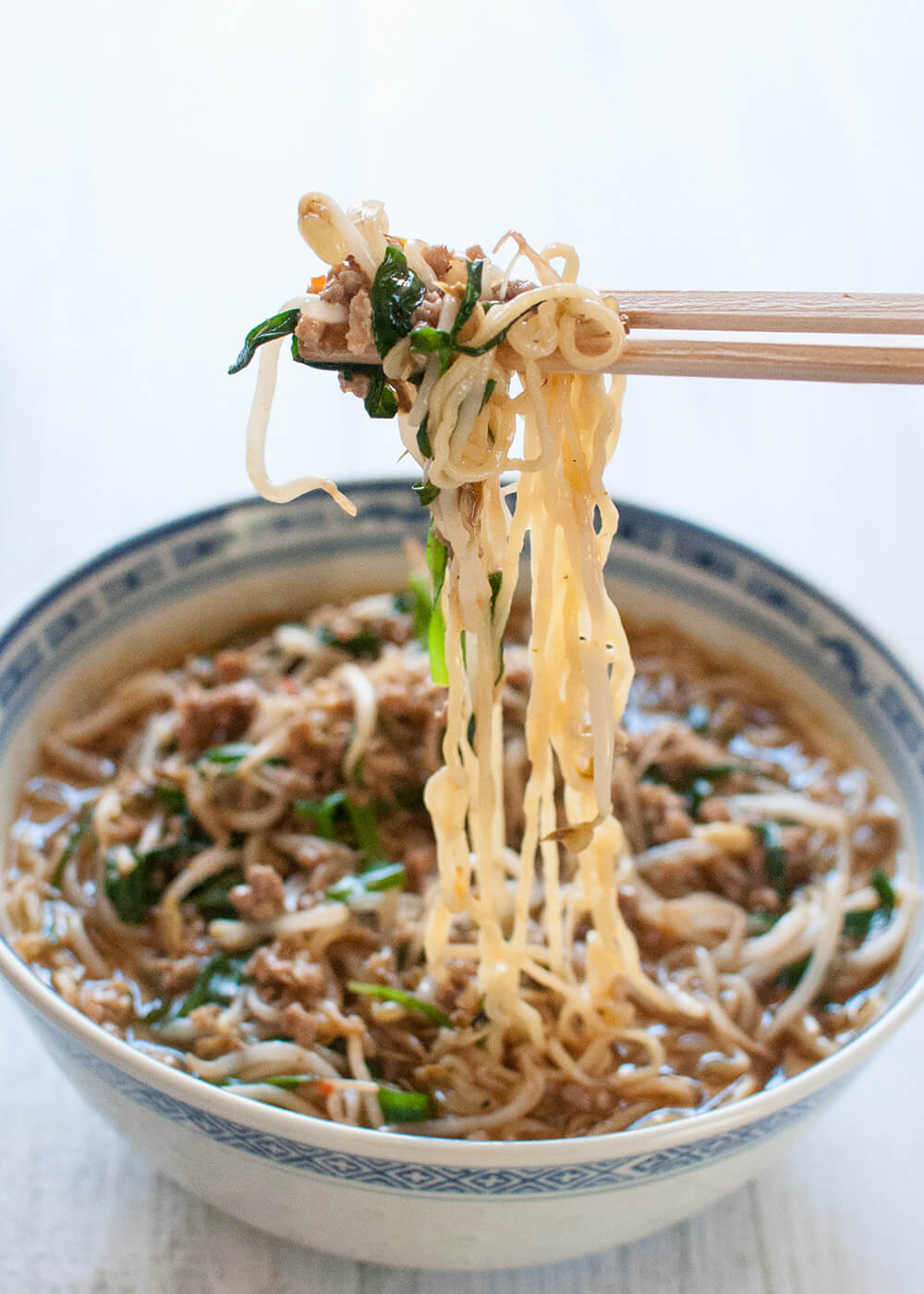
Use plenty of water to prevent noodles from sticking. Bring water to a rolling boil before adding noodles. Stir gently after adding noodles to separate them. Cook noodles in small batches for even cooking. Fresh noodles need less time than dried ones. Always check package instructions for cooking time.
Avoiding Overcooking
Set a timer to avoid overcooking noodles. Test noodles a minute before the time ends for firmness. Drain noodles quickly and rinse with cold water to stop cooking. Toss noodles lightly with oil to prevent clumping. Serve noodles immediately for best texture and taste.
Credit: japan.recipetineats.com
Creating Signature Toppings
Creating signature toppings brings your ramen to life. These toppings add flavor, texture, and color. They make every bowl unique and exciting. Focus on a few key toppings to keep it simple and tasty.
Chashu Pork
Chashu pork is tender and rich. It’s made by slow-cooking pork belly in soy sauce, sugar, and sake. Slice it thin and place on top of your noodles. The pork melts in your mouth and adds deep flavor to the soup.
Soft-boiled Eggs
Soft-boiled eggs have creamy yolks that blend well with broth. Cook eggs for about six minutes for the perfect runny center. Peel them gently and marinate in soy sauce or mirin for extra taste. Slice in half and add to your ramen bowl.
Vegetables And Garnishes
Fresh vegetables add crunch and brightness. Use green onions, bamboo shoots, and corn. Seaweed sheets add a salty taste and nice texture. Sprinkle sesame seeds or chili flakes for a little extra kick. These simple garnishes complete your ramen experience.
Assembling The Ramen Bowl
Assembling the ramen bowl is the final step that brings all flavors together. This step lets you create a beautiful and tasty dish. The way you layer ingredients affects the taste and presentation.
Each component has a place and purpose. Proper layering keeps the noodles firm and broth rich. The toppings add texture and color, making every bite exciting.
Layering Ingredients
Start with hot broth in the bowl. Pour it slowly to avoid splashing. Next, add cooked noodles gently to keep them intact.
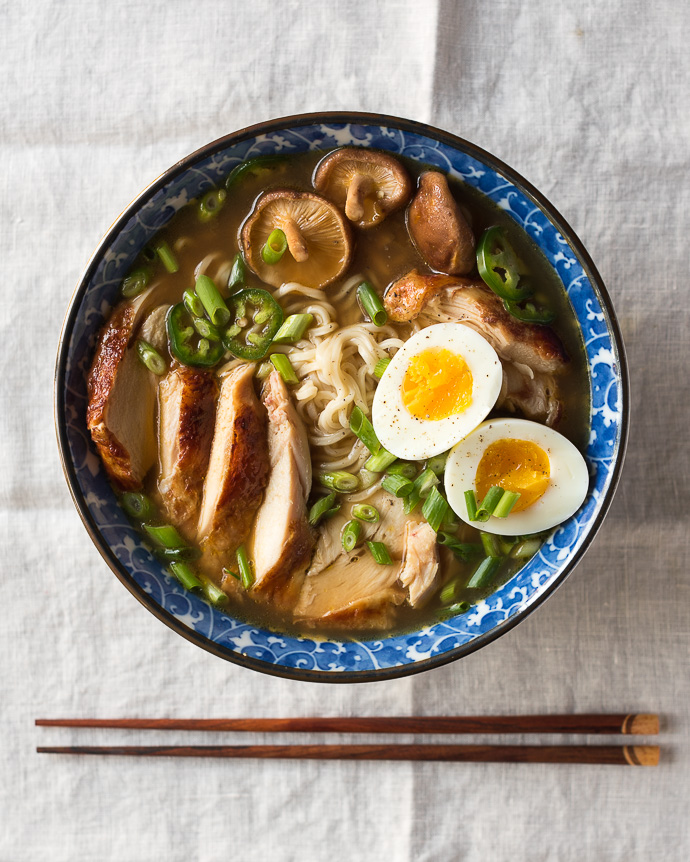
Place protein like sliced pork or chicken on top. Add vegetables such as green onions or spinach next. Finally, include soft-boiled eggs and a sheet of seaweed. This order keeps ingredients fresh and flavors balanced.
Serving Suggestions
Serve ramen immediately while hot. Use a wide bowl to hold all ingredients comfortably. Provide chopsticks for noodles and a spoon for broth.
Offer extra toppings on the side like chili oil or garlic. Let guests customize their bowls to taste. Ramen is best enjoyed fresh and warm.
Tips For Authentic Flavor
Making ramen taste authentic is about balancing simple ingredients well. Small touches create big flavor changes. These tips help you bring out the true taste of Japanese ramen in your kitchen.
Focus on deep, rich flavors that make ramen special. You do not need fancy tools. Just follow these easy steps to improve your ramen broth and seasoning.
Using Umami Boosters
Umami is the savory taste that defines ramen. Ingredients like dried shiitake mushrooms add natural umami. Kombu seaweed is another common booster. It gives a mild sea flavor without overpowering the soup.
Soy sauce and miso paste also add umami depth. Use them in small amounts. They enhance taste without making the broth too salty. Fish flakes or dried bonito can add a smoky note. Use these sparingly to keep balance.
Adjusting Seasonings
Taste your broth often while cooking. Adjust salt carefully. Too much salt can ruin the delicate flavors. Add a little sugar to balance saltiness and add sweetness.
Use white pepper instead of black for subtle heat. A few drops of toasted sesame oil give a nice aroma. Fresh garlic or ginger can brighten the broth but use less for a mild taste.
Always add seasonings little by little. Stir and taste after each addition. This way, you control the flavor perfectly and avoid over-seasoning.
Quick Variations To Try
Ramen is a versatile dish that adapts well to different tastes and diets. Quick variations let you enjoy new flavors without much effort. These simple twists make your ramen exciting and fresh every time.
Spicy Ramen
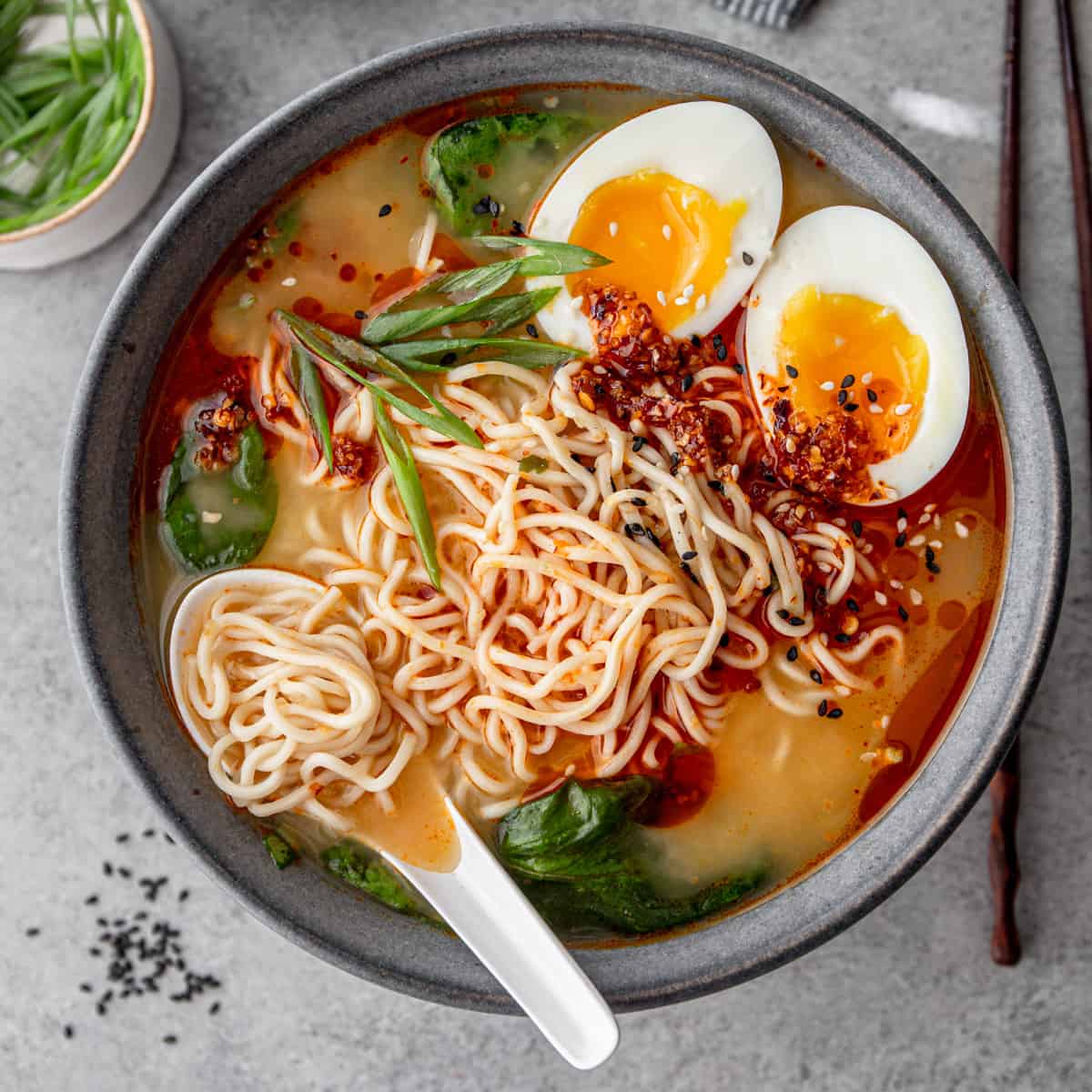
Add heat with chili oil or hot sauce. Use sliced jalapeños or a pinch of red pepper flakes. Spicy ramen wakes up your taste buds fast. It pairs well with pork or chicken broth. Top with a soft-boiled egg for extra richness.
Vegetarian Options
Skip the meat and use vegetable broth. Add tofu, mushrooms, or seaweed for protein and flavor. Fresh vegetables like spinach, corn, and bamboo shoots brighten the bowl. Season with soy sauce and ginger for a tasty punch. This version is light but filling.
Credit: inquiringchef.com
Credit: www.forkknifeswoon.com
Frequently Asked Questions
What Are The Main Ingredients In Japanese Ramen?
Japanese ramen typically includes broth, noodles, soy sauce or miso, pork, green onions, and boiled eggs. Each ingredient adds distinct flavor and texture, creating a balanced dish.
How Long Does It Take To Prepare Ramen At Home?
Preparing ramen at home usually takes about 30 to 45 minutes. This includes making broth, cooking noodles, and assembling toppings for a fresh, flavorful meal.
Can I Use Instant Noodles For A Quick Ramen Recipe?
Yes, instant noodles can be a quick substitute. However, fresh or fresh-style noodles offer better texture and authentic taste in homemade ramen.
What Is The Easiest Broth For Homemade Ramen?
Chicken or vegetable broth is the easiest base for homemade ramen. They cook faster and still provide rich, savory flavors suitable for beginners.
Conclusion
Enjoy making this simple Japanese ramen recipe at home. It brings rich flavors with easy steps. You can change toppings to fit your taste. This dish warms you up on cold days. Cooking ramen yourself saves money and feels rewarding.
Try it once, and you might cook it often. A delicious meal is just a pot away. Now, grab your ingredients and start cooking!